
By Dr. Arief Hamid.
Stomach pain, bloating, indigestion and frequent “gastric” discomfort are common complaints among the public. Many people blame stress, irregular meals or spicy food. While these factors do play a role, there is a lesser-known culprit quietly affecting millions worldwide — a stomach bacteria called Helicobacter pylori, or simply H. pylori.
H. pylori is a spiral-shaped germ that lives in the stomach. Unlike most bacteria, it can survive in strong stomach acid by weakening the stomach’s natural protective lining. Once inside, it can cause irritation and inflammation of the stomach wall, a condition known as gastritis. Over time, this may lead to more serious problems if left untreated.
How Do People Get H. pylori?
It spreads through contaminated food or water, poor hand hygiene, or close contact with infected individuals. In many cases, people carry the bacteria for years without knowing it.
Not everyone with H. pylori will develop symptoms. However, in some individuals, the bacteria triggers ongoing stomach inflammation and damage.
Common Symptoms
People with H. pylori infection may experience:
- Burning or aching pain in the upper abdomen
- Bloating and excessive burping
- Nausea or vomiting
- Loss of appetite
- Frequent indigestion
- Feeling full quickly
Sometime in serious cases, symptoms may include black stools, vomiting blood, unexplained weight loss or persistent fatigue, which require urgent medical attention.
Why Is H. pylori Important?
Long-term infection with H. pylori is a major cause of stomach ulcers. It damages the stomach lining, allowing acid to create painful sores. If untreated, ulcers may bleed or perforate, leading to medical emergencies.
More importantly, H. pylori infection is a known risk factor for stomach cancer. While not everyone with the bacteria will develop cancer, treating the infection significantly reduces this risk.
How Is H. pylori Diagnosed?
Doctors can detect H. pylori using simple and non-invasive tests such as breath tests, stool antigen tests or blood tests. In some cases, especially when symptoms are severe, a camera test called oesophagealgastroduodenoscopy may be performed to examine the stomach lining and take samples.
Treatment and Recovery
The good news is that H. pylori can be cured. Treatment usually involves a combination of antibiotics to kill the bacteria and medications to reduce stomach acid. This treatment is typically taken for 10 to 14 days.
It is important to complete the full course of medication even if symptoms improve early. Follow-up testing is often recommended to confirm the bacteria has been successfully eradicated.
Most people experience significant symptom relief within weeks after treatment.
Can H. pylori Be Prevented?
Good hygiene plays a key role. Washing hands regularly, consuming clean food and water, and avoiding sharing eating utensils can help reduce the risk of infection.
Takeaways
Helicobacter pylori is a common but often overlooked cause of stomach problems. Persistent gastric symptoms should not be ignored or self-treated indefinitely. Early testing and treatment can prevent ulcers, bleeding and long-term complications.
If stomach discomfort keeps returning despite lifestyle changes, it may be time to see a doctor. Sometimes, the smallest germ can cause the biggest problems — but with proper care, it can be treated and cured.

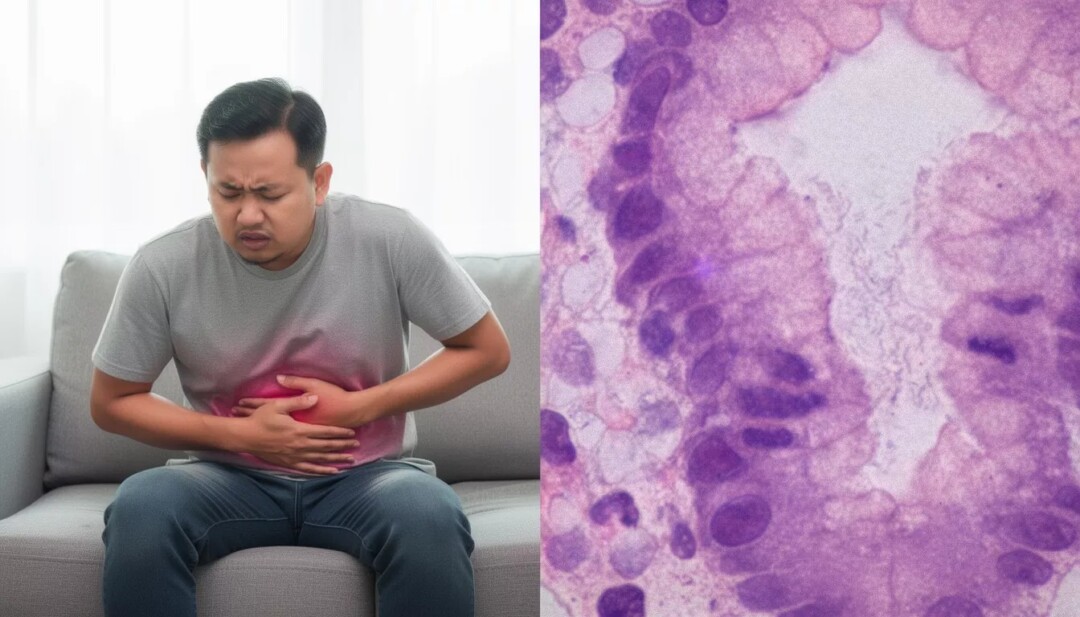
* Image of Helicobacter pylori bacteria taken from wikimedia.